Printable Real Estate Without the Hassle: Your Go-To Design Asset
Let’s be honest, creating standout merchandise or marketing materials often feels like a juggling act. You need a design that’s both unique and professional, a file format that works everywhere, and a quality that holds up whether it’s on a tiny mug or a large poster. If you’ve ever spent hours tweaking a design only to have it pixelate when printed, you know the frustration. This is where a thoughtfully crafted, high-resolution design asset can save the day, turning a creative idea into a tangible product without the technical headaches.
What Exactly Is This Design Concept?
At its core, "Printable Real Estate Without the Hassle" isn't a font, but a complete, ready-to-use sublimation design. Think of it as a piece of premium digital art, built at an ultra-high resolution of 4000 x 4000 pixels. This massive canvas ensures your final print is crisp, clean, and free of blurry edges, whether you're scaling it down for a business card or blowing it up for a wall frame. The design itself plays on the classic "location, location, location" mantra of real estate, but with a clever, hassle-free twist that makes it ideal for a wide range of projects—from humorous home décor to clever marketing campaigns for realtors or home service businesses.
The visual appeal lies in its versatility. It’s designed to be a standalone graphic or a central element in a larger composition. Because it comes in SVG, PNG, and JPG formats, you’re equipped for almost any application. The SVG format is perfect for vector-based editing in programs like Adobe Illustrator, allowing for infinite scaling and color customization. The PNG offers a transparent background, making it easy to layer over other graphics or photographs. The JPG is your workhorse for quick uploads and straightforward printing where a solid background is needed.
From Screen to Product: Where This Design Shines
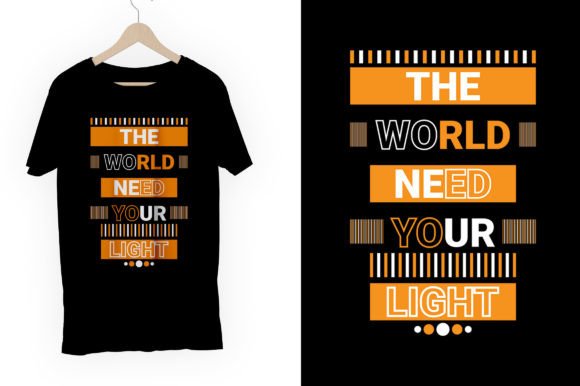
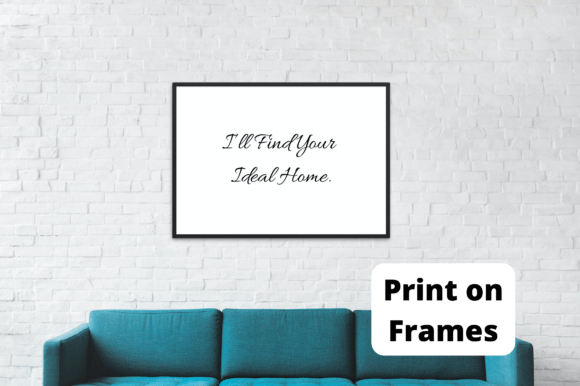
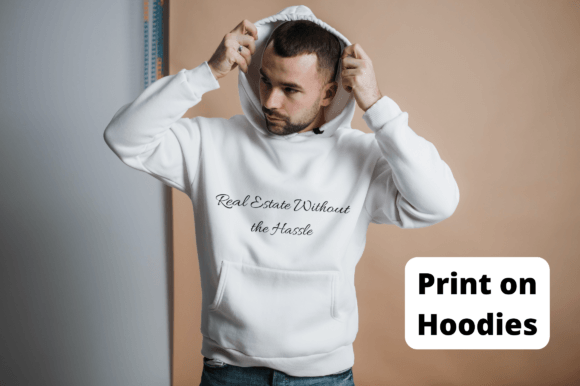
The true value of a design asset is measured by its utility. This particular design was created with a "print-anywhere" philosophy. Its high resolution and clean lines make it suitable for a vast array of physical products. Imagine this design on a soft cotton t-shirt for a casual, branded look, or on a cozy sweatshirt for a real estate team’s off-duty uniform. It translates beautifully onto mugs and pillows, perfect for housewarming gifts or client appreciation items. Framed as wall art, it can add a touch of personality to a home office or a real estate agency’s lobby.
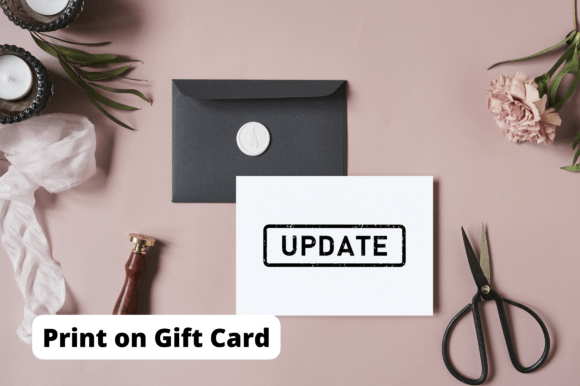
Beyond apparel and home goods, its applications are nearly limitless. Use it on mouse pads for a branded desk accessory, on phone cases for a mobile billboard, or on water bottles for a practical promotional item. The design’s clarity also makes it excellent for paper goods like greeting cards, postcards, or event invitations. For small business owners, this means one design file can seed an entire product line or a comprehensive set of marketing materials, ensuring visual consistency across every touchpoint.
Integrating the Design into Your Brand and Marketing
For designers and brand strategists, a versatile asset like this is a secret weapon. It can serve as the cornerstone of a visual identity for a niche market. A real estate consultant could use it to create a cohesive brand look across their social media graphics, website banners, and printed flyers. The design’s playful yet professional tone can help demystify the often-stressful process of buying or selling a home, making a brand feel more approachable and human.
When building a brand identity, consistency is key. Using this design across different platforms—from an Instagram post to a direct mail postcard—reinforces recognition. It becomes a familiar visual cue for your audience. The key is to integrate it thoughtfully. It shouldn’t overpower your logo or key messaging. Instead, let it act as a supporting graphic that enhances your brand’s personality. For example, it could be used as a background pattern, a featured image in a blog header, or a decorative element on packaging.
Practical Tips for Using High-Resolution Graphics
Having a 4000x4000 pixel file is a fantastic starting point, but how you use it matters. First, always consider your end product. If you’re designing for a social media graphic, you’ll likely need to crop and resize the image to fit specific platform dimensions (like 1080x1080 for an Instagram post). Start with the largest file and scale down to maintain quality. For print materials, ensure your printing service accepts the file formats and can handle the resolution. Most professional printers will be familiar with high-res PNGs and JPGs.
Next, think about font pairing if you plan to add text to the design. The graphic itself has a bold, modern feel. Pairing it with a clean, sans-serif font for body text can maintain readability and a contemporary look. For a headline or a more playful accent, a complementary script font could work, but test it carefully to ensure it doesn’t clash with the design’s own visual style. Always view your final composition at 100% zoom to check for any awkward spacing or visual competition between the text and the graphic.
Finally, review the licensing. This design is marketed for commercial use, which is essential if you plan to sell products featuring it. Understanding the license protects your business and ensures you’re using the asset legally. It typically allows you to create and sell end products but restricts you from reselling the original digital file itself. This is a standard and fair practice for premium design assets.
A Practical Asset for the Modern Creator
In a world where visual content is king, having reliable, high-quality design assets in your toolkit is non-negotiable. A sublimation design like this one offers a practical solution to a common problem: achieving professional, print-ready results quickly and efficiently. It empowers small business owners to create branded merchandise without a huge upfront design cost. It gives marketers a ready-made graphic for campaigns. It allows crafters and hobbyists to produce professional-looking projects for gifts or side hustles.
The goal isn’t to replace original creativity, but to augment it. By starting with a strong, versatile foundation, you can focus your energy on customization and application—on how to best tell your brand’s story or bring your project to life. Whether you’re putting it on a t-shirt, a tote bag, or a thank-you card, the principle remains the same: great design should be accessible, adaptable, and hassle-free to implement.